The Guest Experience as the Operational Core of Hospitality in 2026
I was inspired to reflect on these ideas after attending a remarkable lecture during my studies at EHL – École hôtelière de Lausanne, where professors such as Prof. Youri Sawerschel and Prof. Ian Millar shared important perspectives on the evolution of hospitality management.

What emerged clearly from those discussions is that the hospitality industry is entering a transformative phase.
In 2026, success is no longer defined solely by traditional metrics such as occupancy rates, RevPAR, or operational efficiency. These remain important indicators, but they are no longer the ultimate drivers of long-term value.
Today, the real competitive advantage lies in the depth, coherence, and authenticity of the guest experience.
What was once considered a marketing differentiator is now becoming the operational core of the most forward-thinking hospitality organizations worldwide.
Experience-Driven Operations
Leading hotels are increasingly redesigning their operational structures starting from the guest experience itself.
Traditionally, operations were built around internal efficiency: scheduling, cost optimization, and standardized procedures. Today, however, the guiding question is evolving.
It is no longer simply: “How can we operate more efficiently?”
But rather: “How can we design moments that feel effortless, memorable, and meaningful for our guests?”
This shift requires a more holistic approach, where technology, service culture, and operational systems are aligned around the guest journey.
Front-desk workflows, housekeeping coordination, dining experiences, and concierge services are no longer independent departments. They become interconnected elements of a single narrative: the guest’s stay.
Data-Enabled Personalization
Personalization in hospitality has evolved far beyond addressing a guest by name or remembering a preferred room type.
Today’s leading properties are beginning to integrate data-driven insights into everyday operations. Through CRM systems, guest history tracking, and predictive analytics, hotels can anticipate needs before they are explicitly expressed.
This allows service teams to move from reactive hospitality to anticipatory hospitality.
When done correctly, this approach does not feel technological or artificial. On the contrary, it enhances the human dimension of service by empowering staff with the information needed to create more relevant and thoughtful interactions.
Frictionless Guest Journeys
Modern travelers increasingly expect experiences that feel seamless from beginning to end.
The hospitality industry is therefore investing heavily in technologies that remove friction from the guest journey. Mobile check-in systems, keyless room entry, integrated booking platforms, and AI-assisted concierge services are becoming part of the modern service infrastructure.
Yet technology itself is not the goal.
Its true value lies in enabling hotels to create consistency, speed, and elegance across every interaction, freeing staff from repetitive tasks and allowing them to focus on genuine hospitality.
In other words, technology should never replace service. It should enhance it.

Purpose-Driven and Sustainable Experiences
Another defining element of hospitality in this decade is the growing importance of values and purpose.
Travelers today are increasingly conscious of the environmental and social impact of their choices. As a result, sustainability is no longer perceived as a marketing initiative or a simple certification.
Instead, it is becoming part of the operational identity of modern hospitality brands.
Hotels that integrate sustainability into their sourcing practices, community relationships, architectural design, and guest experiences are building stronger emotional connections with their guests.
This alignment between brand values and guest expectations is rapidly becoming a powerful driver of loyalty and reputation.
Guest Experience as the Operating System
The most successful hospitality organizations are beginning to understand that operations and guest experience can no longer be treated as separate domains.
Guest experience is becoming the operating system of the modern hotel.
Every strategic decision, from technology investments to staff training, from service design to brand positioning, is evaluated through a central question:
How will this improve the guest’s journey?
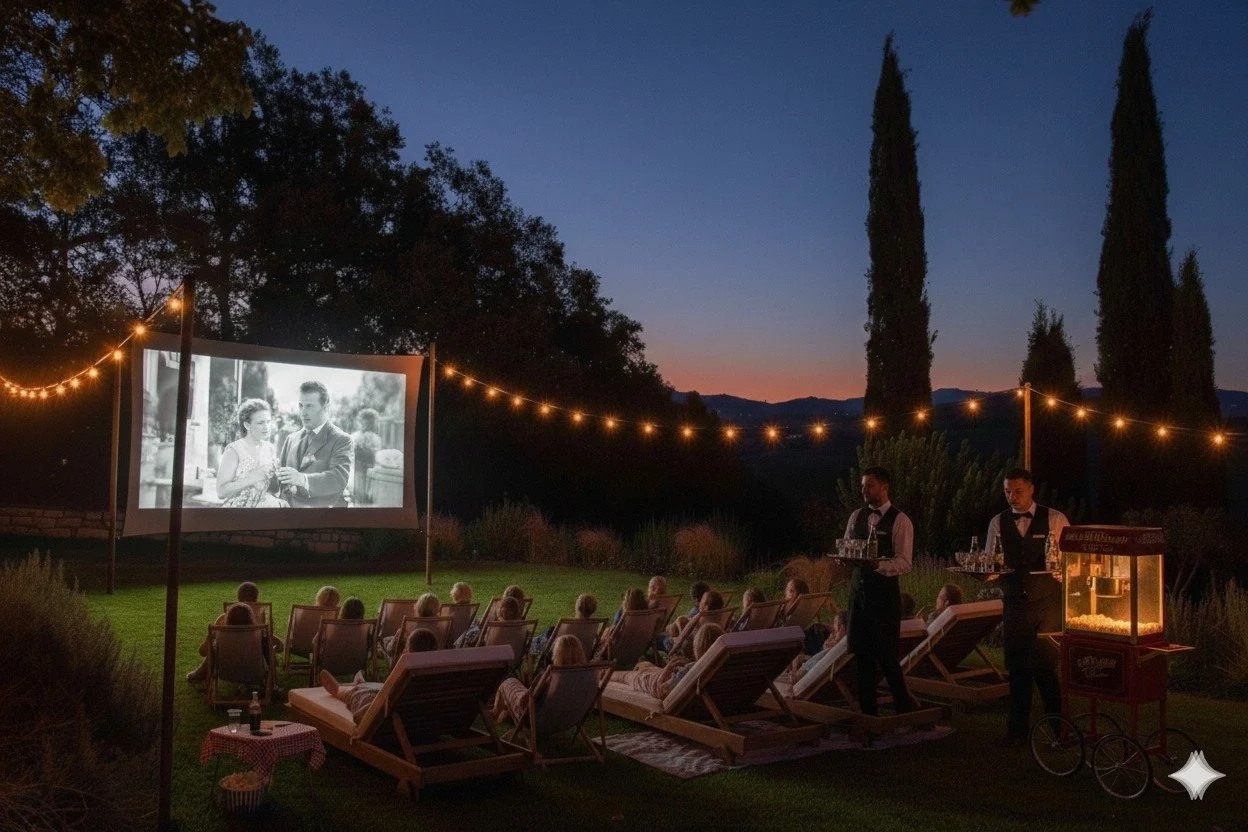
When this mindset is fully integrated, the results extend far beyond guest satisfaction. It creates:
stronger brand identity
more engaged employees
higher operational clarity
and ultimately stronger long-term performance.
Designing Experiences, Not Just Delivering Services
Hospitality in 2026 is no longer simply about delivering excellent service.
It is about designing meaningful experiences.
It requires anticipating needs, personalizing interactions, and embedding guest-centric thinking into every operational layer of the organization.
Those who fully embrace this philosophy will likely define the next era of hospitality.
Because the future of the industry will not be shaped only by new technologies or new luxury standards.
It will be shaped by those who understand that hospitality is ultimately about designing human experiences.