The New Digital Landscape of Luxury Hospitality
The world of luxury hospitality is undergoing a profound transformation. Digital evolution, artificial intelligence, and shifting traveler behavior are redefining how guests discover, evaluate, and ultimately choose where to stay.
For decades, the guest journey followed a relatively linear path: awareness, search, booking, stay, and loyalty. Today, that model no longer reflects reality.
The modern guest journey is dynamic, fragmented, and emotionally driven.
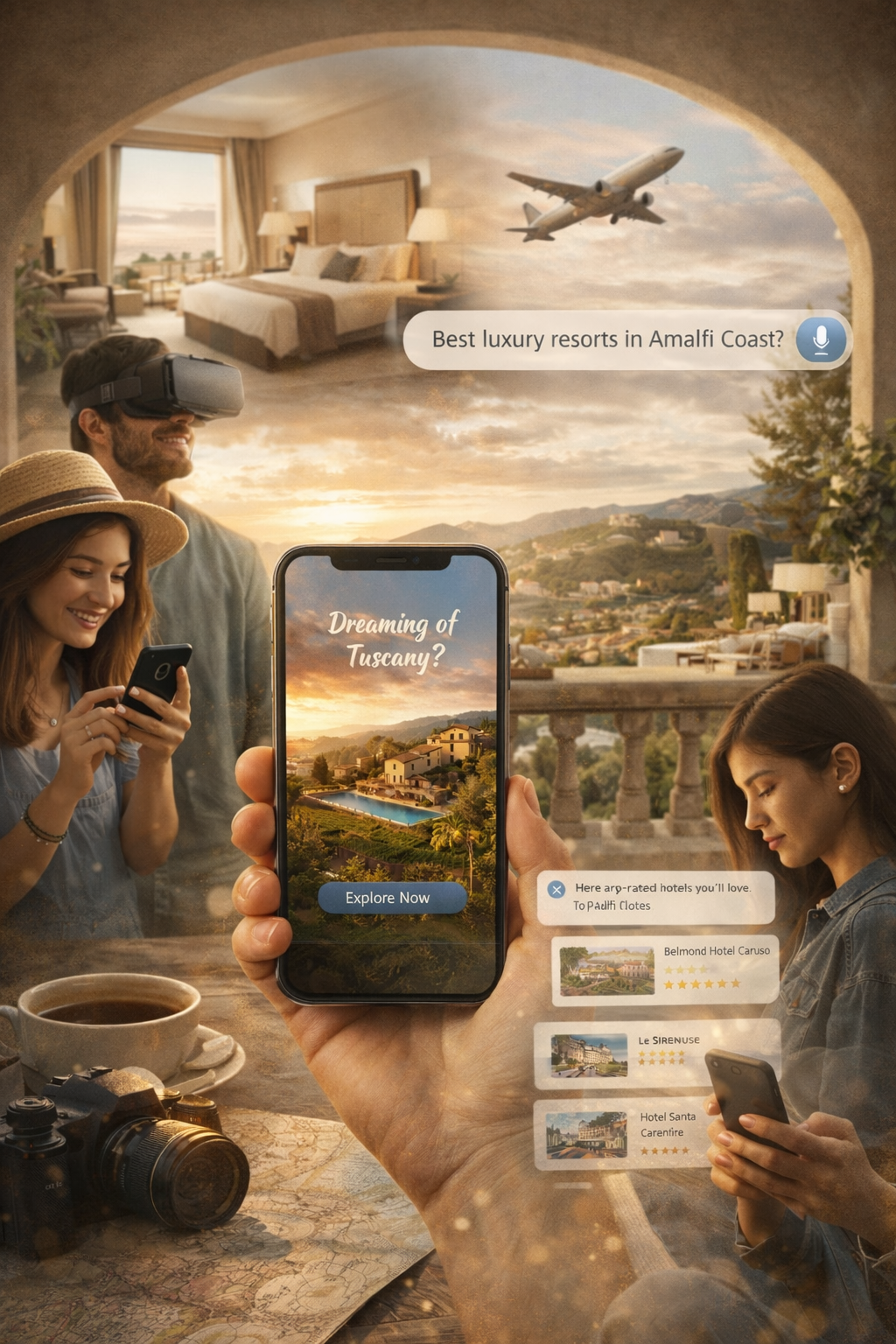
It moves through cycles of inspiration, research, comparison, social validation, and return loops. A traveler may interact with a destination dozens of times across multiple platforms before ever reaching a booking page.
The decision process begins long before the reservation itself.
From Product Choice to Brand Meaning
Luxury travelers today are not choosing hotels based solely on product features or price.
Increasingly, they are selecting brands that express values, identity, and authenticity.
Storytelling has become a critical component of brand positioning. Guests want to understand the philosophy behind a property, the culture it represents, and the experiences it offers beyond the room itself.
Brand loyalty therefore begins much earlier in the journey, often during the inspiration phase, when travelers are still dreaming about where they might go next.
Hotels that succeed in this environment are those capable of creating a clear narrative and emotional connection well before the booking window opens.
Discovery Happens Everywhere
Luxury discovery today no longer happens in one place.
Travelers encounter hotels across a wide ecosystem of platforms including Instagram, TikTok, YouTube, OTAs, travel blogs, and increasingly AI-powered search engines such as ChatGPT or Gemini.
The nature of search itself is evolving.
Search is no longer simply typed into a search bar. It is asked in conversation.
Users move from traditional keyword queries to natural language prompts such as:
"Where should I stay in Tuscany for an authentic countryside experience?"
This shift is transforming how hospitality brands must structure their digital presence.
Visibility is no longer determined solely by SEO rankings or advertising spend. It increasingly depends on how well a brand's narrative, content, and authority are understood and surfaced by AI-driven platforms.
The Influence of Gen Z and AI Planning
In the United States, a growing percentage of travelers already use artificial intelligence tools to plan their trips.
Generation Z is leading this behavioral shift.
This audience does not browse in the traditional sense. They scroll, observe, and absorb experiences through short-form content, creator storytelling, and peer validation.
For them, social media is no longer simply entertainment.
It has become a decision engine.
Real experiences, credible voices, and visually compelling narratives influence travel decisions far more than traditional advertising.
A New Strategic Mindset
These changes require hospitality brands to rethink their marketing strategy entirely.
The future does not belong to channel silos, isolated SEO strategies, or purely performance-driven campaigns.
Instead, success increasingly depends on an omnichannel approach capable of integrating storytelling, attention, and data.
Luxury brands must now:
build emotional presence long before the booking moment
develop content ecosystems that resonate across multiple platforms
structure digital assets so they can be discovered by AI-driven search environments
and cultivate first-party data relationships with their audience.
The objective is no longer simply to capture demand.
It is to shape desire before demand even exists.
Hospitality in the Age of Attention
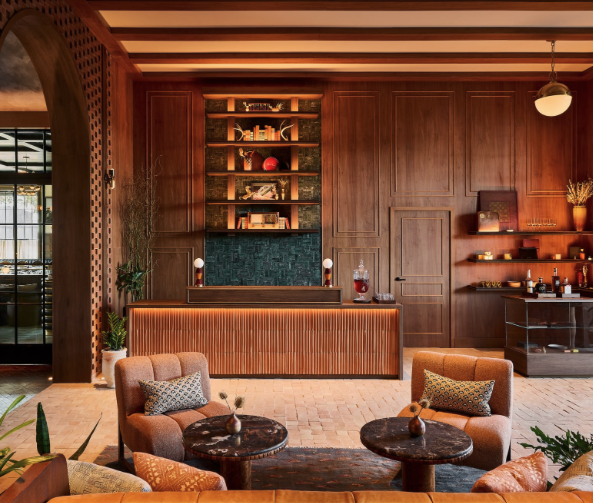
We are entering what could be called the attention economy of hospitality.
The brands that will thrive are those capable of combining authenticity, narrative, and technological adaptability.
In this environment, marketing is no longer just about visibility.
It is about relevance, credibility, and emotional resonance.
Luxury hospitality, perhaps more than any other industry, will increasingly depend on the ability to tell meaningful stories and to be present in the digital spaces where inspiration begins.